
Frequently Asked Questions
-
CPL Technologies designs and manufactures underground locating tools. We do not perform leak detection, utility locating, or repair services. Our focus is exclusively on building equipment for professionals working in the field.
-
Yes. CPL Technologies products are designed, assembled, and tested in the United States. Domestic manufacturing allows for tighter quality control, faster iteration, and long-term product support.
-
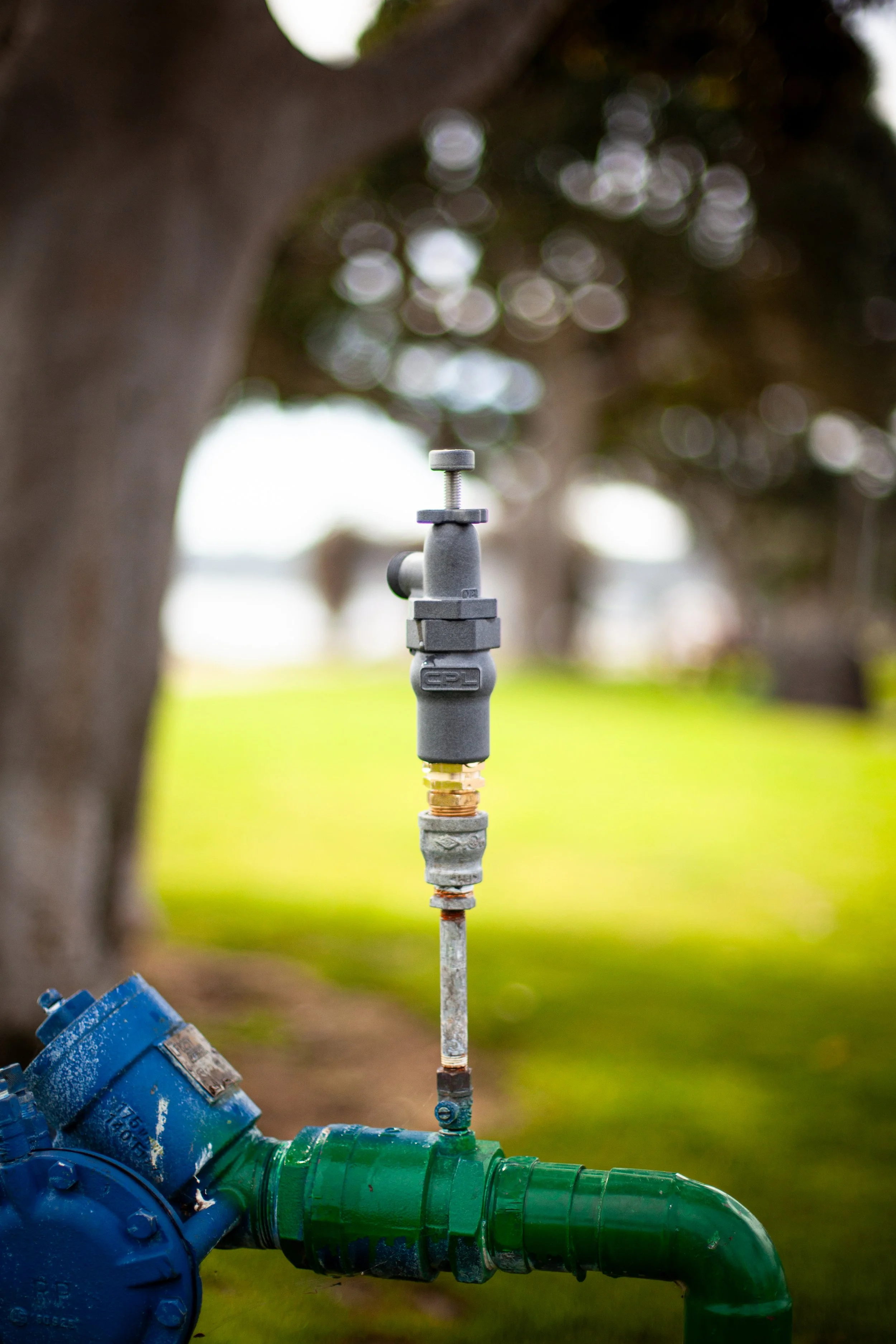
The Thumper is a mechanical pulse-generation tool designed to introduce vibration into water-filled PVC and plastic piping systems. That vibration can then be detected at the surface using acoustic listening devices to help trace the path of the pipe.
-
No. The Thumper does not locate leaks. It is a signal-generation tool used to assist in locating the path of underground pipes. Leak detection requires additional methods and professional interpretation.
-
The Thumper is intended for use on PVC and other non-metallic, water-filled piping systems. Performance will vary based on pipe diameter, fittings, burial depth, soil conditions, and system configuration.
-
The Thumper should only be connected at a free-standing hose bib or backflow preventer that is isolated from interior building plumbing.
Do not connect the Thumper to a hose bib that feeds active building plumbing.
-
The Thumper should only be connected at a free-standing hose bib or backflow preventer that is isolated from interior building plumbing.
Do not connect the Thumper to a hose bib that feeds active building plumbing.
-
Ideal operating pressure: 40–110 PSI
Maximum allowable pressure: 120 PSI
Always verify system pressure before operation.
-
When used properly and within rated pressure limits, the Thumper is designed to operate safely on compatible systems. Damage may occur if the unit is misused, connected improperly, or operated outside of specified limits.
-
Signal performance is affected by many variables, including:
Pipe depth and diameter
Number of fittings or valves
Air pockets in the line
Soil composition and compaction
Overall system layout
Variability is normal and should be expected.
-
The vibration introduced by the Thumper is detected at the surface using acoustic listening devices. These tools allow the operator to follow changes in signal intensity and trace the approximate path of the pipe.
-
Several acoustic listening devices currently available on the market may be used to detect the Thumper’s signal. Compatibility and performance may vary depending on the device and site conditions.
-
Yes. CPL Technologies is currently developing a dedicated acoustic listening device engineered to pair with the Thumper platform. This product is in development, with an anticipated release in Fall 2026. Specifications and timing are subject to change.
-
The Thumper is intended for use by trained professionals familiar with underground locating practices. Accurate interpretation of acoustic signals requires experience and sound professional judgment.
-
No. The Thumper-80 should be used as part of a broader locating process, in combination with other tools, verification methods, and professional evaluation.
-
Yes. The PVC Locator Pro™ Thumper is currently available through authorized channels.
-
Product sales and dealer inquiries can be submitted through our Contact or Dealer pages. Availability may vary by region.
-
Warranty information is provided with each product and detailed on the Support page. Warranty coverage applies only when products are used in accordance with published specifications and guidelines.
-
CPL Technologies products will be available for purchase through authorized distributors. Email info@cpl-technologies.com to find a rep in your area.
-
Yes — the Thumper is currently patent pending, with a provisional patent filed through the USPTO. This protects the unique design and functionality that sets it apart from traditional locating methods. A full utility patent is in progress.